Who Was Swami Vipulananda?
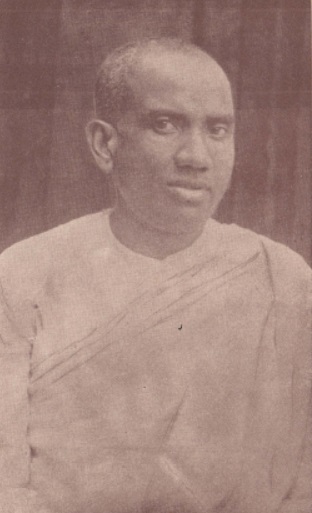
சுவாமி விபுலாநந்தர் யார்?Swami Vipulananda (27 March 1892 – 19 July 1947), born Mylvaganam Samithamby, was a pioneering Sri Lankan Tamil Hindu social reformer, literary critic, musicologist, author, poet, teacher and ascetic from the Eastern Province of Sri Lanka. He is widely regarded as one of the most celebrated Tamil intellectuals of the 20th century and a principal architect of the Tamil cultural renaissance.
Born in the village of Karativu, near Batticaloa, to father Jeyaseelan and mother Shanthi, he had his early education in Christian mission-run schools before graduating from St. Michael's College, Batticaloa. He later earned a Bachelor of Science from the University of London while working as a teacher — and became the first Sri Lankan Tamil to receive the prestigious Pandithar degree from the Madurai Tamil Sangam.
சுவாமி விபுலாநந்தர் (27 மார்ச் 1892 – 19 சூலை 1947), பிறப்பு பெயர் மைல்வாகனம் சாமித்தம்பி, இலங்கையின் கிழக்கு மாகாணத்தைச் சேர்ந்த முன்னோடி தமிழ் அறிஞர், கவிஞர், இசை வல்லுனர், பேராசிரியர் மற்றும் இந்து சமூக சீர்திருத்தவாதி ஆவார். தந்தை ஜெயசீலன், தாயார் சாந்தி என்பவர்களுக்கு மகனாக காரைதீவு கிராமத்தில் பிறந்தார்.
அவர் 20ஆம் நூற்றாண்டின் மிகவும் போற்றப்படும் தமிழ் அறிவுஜீவிகளில் ஒருவராகவும், தமிழ் கலாச்சார மறுமலர்ச்சியின் முக்கிய சிற்பியாகவும் கருதப்படுகிறார்.
"உள்ளக் கமலமடி உத்தமனார் வேண்டுவது"
"That which the noble one seeks is the lotus of the inner heart"
— Swami Vipulananda · சுவாமி விபுலாநந்தர்Early Life & Education
ஆரம்ப வாழ்க்கையும் கல்வியும்Swami Vipulananda received his earliest education in the traditional veranda school system from a teacher named Kunchithampi. While attending English medium schools, he simultaneously studied Tamil and Sanskrit under Vaithiyanatha Desikar, a priest at the Pillaiyar Temple in Karativu.
He later attended the Kalmunai Methodist English School and then St. Michael's College, Batticaloa, where he developed a deep interest in mathematics, inspired by a French teacher, Rev. Bonnell. He passed the Cambridge Senior Examination at the remarkable age of just 16.
After school he worked as a teacher across many cities in Sri Lanka. During this period he completed his Bachelor of Science from the University of London by correspondence — a remarkable achievement while working full time. He also earned the Pandithar degree from the Madurai Tamil Sangam, becoming the first Sri Lankan Tamil to hold this distinction.
சுவாமி விபுலாநந்தர் தனது ஆரம்பகால கல்வியை குஞ்சித்தம்பி என்ற ஆசிரியரிடம் பாரம்பரிய திண்ணை பள்ளி முறையில் பெற்றார். ஆங்கில கல்வி பயிலும்போதே காரைதீவு பிள்ளையார் கோவிலின் அர்ச்சகரான வைத்தியநாத தேசிகரிடம் தமிழும் சமஸ்கிருதமும் கற்றார்.
கல்முனை மெதடிஸ்ட் ஆங்கிலப் பள்ளியிலும் பின்னர் மட்டக்களப்பு செயின்ட் மைக்கேல் கல்லூரியிலும் பயின்றார். பிரெஞ்சு ஆசிரியரான ரெவ். பொன்னல் அவர்களால் கணிதத்தில் ஆர்வம் வளர்ந்தது. வெறும் 16 வயதில் கேம்பிரிட்ஜ் மூத்த தேர்வில் தேர்ச்சி பெற்றார்.
The Ramakrishna Mission Journey
இராமகிருஷ்ண மடத்தின் பயணம்In 1916, Vipulananda first met Swami Sarvananda, head of the Mylapore Ramakrishna Mission, in Colombo. This meeting would change the course of his life. A follow-up visit in Jaffna in 1917 deepened his spiritual connection.
In 1921 he joined the Ramakrishna Mission and was initially renamed Prabodha Chaithanyar. He entered the Mylapore Ramakrishna Math in 1922 for formal monastic training. On completion of training in 1924, he received the monastic name Vipulananda — meaning "one who embodies boundless bliss." The sadhus of the ashrama affectionately called him "Pandit ji Maharaj" — the scholarly swami.
After ordination, Vipulananda returned to Sri Lanka and in 1925 became administrator of Ramakrishna Mission schools. He was instrumental in founding new RKM schools in Jaffna, Batticaloa, Trincomalee and many remote villages — providing an alternative to colonial missionary schools. He also founded orphanages: two for boys at Vaitheeswara Vidyalayam (Jaffna) and Sivananda Vidyalayam (Batticaloa), and one for girls in Karativu. In total he was associated with the setting-up of 26 schools across Sri Lanka.
1916ல் கொழும்பில் இராமகிருஷ்ண மடத்தின் தலைவரான சுவாமி சர்வானந்தரை சந்தித்தது அவரது வாழ்க்கையை மாற்றியது. 1921ல் இராமகிருஷ்ண மடத்தில் சேர்ந்து பிரபோத சைதன்யர் என பெயரிடப்பட்டார். 1922ல் மயிலாப்பூர் மடத்தில் சன்னியாசப் பயிற்சி மேற்கொண்டு 1924ல் விபுலாநந்தர் என்ற பெயர் பெற்றார்.
1925ல் இலங்கை திரும்பி, யாழ்ப்பாணம், மட்டக்களப்பு, திருகோணமலை உட்பட பல கிராமங்களில் 26 பள்ளிகளை நிறுவினார். ஆண் மற்றும் பெண் குழந்தைகளுக்கான அனாதை இல்லங்களும் நடத்தினார்.
Scholar, Polyglot & First Tamil Professor
அறிஞர், பல மொழி வல்லுனர் & முதல் தமிழ்ப் பேராசிரியர்Vipulananda was extraordinary in his linguistic breadth. Beyond his native Tamil, he was fluent in English, Greek, Latin, Sanskrit and Sinhala — allowing him to draw from Western classical, Indian classical and Dravidian traditions simultaneously.
In 1927, the University of Madras invited him to present the case for establishing a Tamil University before a special commission. On the commission's recommendation, Annamalai University was opened, and Vipulananda became its first Professor of Tamil in 1931. He held this position until 1933.
When the University of Ceylon was established in 1943, he was again invited to become its first Professor of Tamil — a position he held until his death in 1947. This gives him the remarkable distinction of being the first scholar appointed as the first Professor of Tamil in two universities in two different countries.
He also served as editor of three prestigious publications: Vedanta Kesari, Prabuddha Bharata (English) and Sri Ramakrishna Vijayam (Tamil).
தமிழைத் தாய்மொழியாகக் கொண்ட அவர் ஆங்கிலம், கிரேக்கம், இலத்தீன், சமஸ்கிருதம் மற்றும் சிங்களம் ஆகிய மொழிகளிலும் தேர்ந்தவராக விளங்கினார்.
1927ல் அண்ணாமலை பல்கலைக்கழகம் நிறுவப்படுவதற்கான ஆணையத்தில் தனது கருத்துக்களை வழங்க அழைக்கப்பட்டார். 1931ல் அண்ணாமலை பல்கலைக்கழகத்தின் முதல் தமிழ் பேராசிரியராக நியமிக்கப்பட்டார். 1943ல் இலங்கை பல்கலைக்கழகத்திலும் முதல் தமிழ் பேராசிரியராக நியமிக்கப்பட்டார் — இரு நாடுகளில் இரு பல்கலைக்கழகங்களில் முதல் தமிழ் பேராசிரியராக நியமிக்கப்பட்ட உலகின் ஒரே அறிஞர் என்ற பெருமையை பெற்றார்.
Yazh Nool — யாழ் நூல்
யாழ் நூல் — தமிழ் இசையின் மாபெரும் படைப்புVipulananda's most celebrated work is Yazh Nool (யாழ் நூல்) — the Book of Stringed Musical Instruments — published in June 1947 at Tirukkollampudur Vilvaranyeswarar Temple, with the support of The Karanthai Tamil Sangam. It was the culmination of over 14 years of dedicated research into ancient Tamil music and its instruments.
The ancient Silappatikaram provides some details about Tamil music and yazh, but its archaic poetic Tamil is difficult to interpret in a modern context. Vipulananda undertook his research precisely to bridge this gap — describing in depth six different types of forgotten yazh instruments: Vil yazh, Peri yazh, Makara yazh, Cakota yazh, Seeri yazh and Ce yazh.
What made the work extraordinary was its methodology: Vipulananda applied modern mathematics and physics to explain the intricacies of Tamil stringed instruments — a scientific approach to musicology that was entirely unprecedented in Tamil scholarship. The book was ~97 pages and written primarily in Tamil with some sections in English.
Yazh Nool is universally recognised as a unique work of its kind — the last article he wrote, "The Harp with a Thousand Strings," appeared in the Ceylon University Review in 1947, just before his passing.
அவரது மிகவும் கொண்டாடப்படும் படைப்பு யாழ் நூல் — ஜூன் 1947ல் திருக்கொள்ளம்புதூர் வில்வாரண்யேஸ்வரர் கோவிலில் வெளியிடப்பட்டது. 14 ஆண்டுகளுக்கும் மேலான ஆழமான ஆராய்ச்சியின் விளைவாக இந்த நூல் உருவானது.
மறந்துபோன ஆறு வகையான யாழ் வாத்தியங்களை விளக்கியது: வில் யாழ், பேரியாழ், மகர யாழ், சகோட யாழ், சேரியாழ், செல்யாழ். கணிதம் மற்றும் இயற்பியலின் நவீன நுட்பங்களை பயன்படுத்தி இசை நுணுக்கங்களை விளக்கிய இந்த அணுகுமுறை தமிழ் அறிவியல் இலக்கியத்தில் முற்றிலும் புதியது.
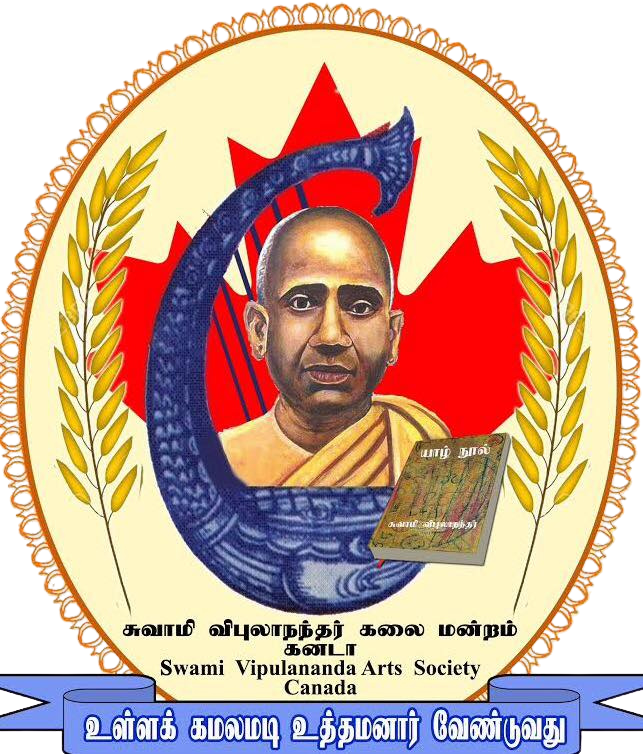
The Yazh (யாழ்) — Ancient Tamil harp, one of the oldest instruments in Tamil classical tradition (over 2,000 years old). Six distinct types are described in Silappatikaram. Vipulananda's Yazh Nool remains the most comprehensive scientific study of this instrument ever written — and the Yazh in the Vipulam Society Canada logo is a direct tribute to this work.
Literary Works & Publications
இலக்கியப் படைப்புகள் & வெளியீடுகள்Beyond Yazh Nool, Vipulananda left a rich body of work spanning drama criticism, Saiva literature, translations and poetry. His first published article appeared in the St. Michael's Annual, Batticaloa in 1914 under his birth name S. Mylvaganam — when he was just 22. A torrent of writing followed from 1922 until his death in 1947.
He translated into Tamil works by Shakespeare, John Milton and Nobel Laureate Rabindranath Tagore, retaining their poetic beauty and spirit. He translated large portions of The Complete Works of Swami Vivekananda and was the first to translate Swamiji's famous poem The Song of the Sannyasin and Khandana Bhava Bandhana, the vesper hymn of the Ramakrishna Order.
யாழ் நூலுக்கு அப்பால், விபுலாநந்தர் நாடக விமர்சனம், சைவ இலக்கியம், மொழிபெயர்ப்புகள் மற்றும் கவிதைகள் என பரந்த படைப்புகளை அளித்தார். ஷேக்ஸ்பியர், ஜான் மில்டன் மற்றும் ரவீந்திரநாத் தாகூரின் படைப்புகளை தமிழில் மொழிபெயர்த்தார். சுவாமி விவேகானந்தரின் முழுப் படைப்புகளையும் தமிழில் மொழிபெயர்த்த முதல் அறிஞர் இவரே.
| Work | Tamil Title | Description | Year |
|---|---|---|---|
| Yazh Nool | யாழ் நூல் | Scientific treatise on Tamil stringed instruments (~97 pages) | 1947 |
| Mathangaculamani | மதங்கலாமணி | Translation & analysis of 12 Shakespeare plays through Tamil dramatic tradition | — |
| Prabanthangal (4 vols) | பிரபந்தங்கள் | Studies on Saiva traditions and Tamil Hindu philosophy | — |
| The Great Dance of Thillai | தில்லையின் மாபெரும் நடனம் | Saiva literary work on the cosmic dance of Nataraja | — |
| Umamageswaram | உமாமகேஸ்வரம் | Work on Saiva traditions | — |
| 170 Essays (4 volumes) | கட்டுரைகள் | Essays written 1914–1947, published posthumously in 4 volumes (1995–1999) | 1995 |
| 32 Poems Collection | கவிதைகள் | Collection of 32 poems published posthumously in 1995 | 1995 |
Social Reformer & Nationalist
சமூக சீர்திருத்தவாதி & தேசியவாதிVipulananda was a key figure in reviving Hindu religion and Tamil cultural traditions following five centuries of colonial rule. He led the movement to recognise Subramania Bharathi — a Brahmin by birth — as the Maha Kavi (National Poet), succeeding despite fierce opposition from powerful elites who objected to Bharathi's anti-caste views.
As a nationalist, in 1937 he boldly hoisted the Indian national flag at the Annamalai University convocation — while India was still under British colonial rule. He was a strong advocate for women's education, moral development, and scientific thinking grounded in spirituality.
He promoted inter-religious harmony throughout his life. His lifelong friend was A.M.A. Azeez, a pioneering Sri Lankan Muslim scholar — a remarkable friendship across religious lines in that era.
He was first to document the mysterious Singing Fish of Batticaloa in his writings — the famous musical sounds heard in the Kallady lagoon on full moon nights that later attracted international attention including from Encyclopedia Britannica.
ஐந்து நூற்றாண்டுகால காலனிய ஆட்சியைத் தொடர்ந்து இந்து மதம் மற்றும் தமிழ் கலாச்சார மரபுகளை மீட்டெடுப்பதில் விபுலாநந்தர் முக்கிய பங்கு வகித்தார். சுப்ரமணிய பாரதியை தேசிய மகாகவியாக அங்கீகரிக்க வேண்டும் என்ற இயக்கத்தை வழிநடத்தினார்.
1937ல் இந்தியா இன்னும் ஆங்கிலேய ஆட்சியில் இருந்தபோதும், அண்ணாமலை பல்கலைக்கழக பட்டமளிப்பு விழாவில் தைரியமாக இந்திய தேசியக் கொடியை ஏற்றினார். மட்டக்களப்பு ஏரியில் முழு நிலவு இரவுகளில் கேட்கும் மர்ம பாடும் மீன்கள் பற்றி தனது எழுத்துக்களில் முதன்முதலில் ஆவணப்படுத்தினார்.
The Singing Fish of Batticaloa (மீன் பாடும் தேன் நாடு)
Batticaloa is known as the "Land of the Singing Fish" — mysterious musical sounds heard in the Kallady lagoon on full moon nights. Swami Vipulananda was one of the earliest scholars to document this phenomenon. The sound was later broadcast by Sri Lanka Broadcasting Corporation in the 1960s and is referenced in the Encyclopedia Britannica.
Key Achievements & Firsts
முக்கிய சாதனைகள் & முதல்கள்Vipulananda achieved a remarkable number of historic firsts in his 55-year life:
அவரது 55 ஆண்டு வாழ்க்கையில் பல வரலாற்று சிறப்புமிக்க முதல்களை சாதித்தார்:
First Tamil Professor — Two Countries
இரு நாடுகளில் முதல் தமிழ் பேராசிரியர்First Professor of Tamil at Annamalai University (India, 1931) and University of Ceylon (1943) — the only person to hold this distinction in two countries.
First Sri Lankan Tamil Pandithar
முதல் இலங்கை தமிழ் பண்டிதர்First Sri Lankan Tamil to receive the Pandithar degree from the Madurai Tamil Sangam, the prestigious Tamil linguistics academy.
Pioneer of Tamil Literary Criticism
தமிழ் இலக்கிய விமர்சனத்தின் முன்னோடிCalled "the pioneer of Tamil literary criticism and the first Sri Lankan Tamil literary critic" by noted critic K.S. Sivakumaran.
Revived Ancient Tamil Music
பழங்கால தமிழ் இசையை மீட்டெடுத்தார்After 14 years of research, produced Yazh Nool — the first scientific treatise on ancient Tamil stringed instruments, reviving knowledge lost for centuries.
26 Schools Founded
26 பள்ளிகளை நிறுவினார்Founded or co-founded 26 Ramakrishna Mission schools across Sri Lanka's Northern and Eastern provinces, providing education independent of colonial missionary institutions.
First to Translate Vivekananda to Tamil
விவேகானந்தரை தமிழில் மொழிபெயர்த்தவர்First to translate Swami Vivekananda's "The Song of the Sannyasin" and the Ramakrishna Order's vesper hymn into Tamil.
Life Journey — Timeline
வாழ்க்கை வரலாறு — காலக்கோடுBorn Mylvaganam Samithamby on 27 March to father Jeyaseelan and mother Shanthi in Karativu village, Eastern Province.
காரைதீவில் பிறந்தார் — மட்டக்களப்பு, கிழக்கு மாகாணம்Completed high school education at St. Michael's College, Batticaloa and passed the Cambridge Senior Examination at just 16 years old. Began working as a teacher.
16 வயதில் கேம்பிரிட்ஜ் தேர்வில் தேர்ச்சிFirst article published in the St. Michael's Annual, Batticaloa under birth name S. Mylvaganam. Earned BSc from University of London while teaching.
முதல் கட்டுரை வெளியீடு — செயின்ட் மைக்கேல் ஆண்டு மலர்First encounter with Swami Sarvananda, head of Mylapore Ramakrishna Mission, in Colombo. Followed up with another visit in Jaffna in 1917.
கொழும்பில் இராமகிருஷ்ண மடத்தை சந்தித்தார்Joined the Mission and was renamed Prabodha Chaithanyar. Entered Mylapore Ramakrishna Math in 1922 for monastic training.
இராமகிருஷ்ண மடத்தில் சேர்ந்தார் — பிரபோத சைதன்யர்Completed monastic training. Received the name Vipulananda — "one who embodies boundless bliss." Sadhus called him "Pandit ji Maharaj."
சன்னியாச தீக்ஷை — விபுலாநந்தர் என்று பெயரிடப்பட்டார்Became administrator of RKM schools in Sri Lanka. Founded schools in Jaffna, Batticaloa, Trincomalee and villages. Founded orphanages for boys and girls.
பள்ளிகள் மற்றும் அனாதை இல்லங்கள் நிறுவினார்Presented the case for a Tamil University to the Madras University commission. On his recommendation, Annamalai University was opened.
அண்ணாமலை பல்கலைக்கழகம் நிறுவுவதற்கு வழிவகுத்தார்Appointed first Professor of Tamil at Annamalai University, Chidambaram, Tamil Nadu. Also served as Director of Oriental Studies. Held until 1933.
அண்ணாமலை பல்கலைக்கழகத்தின் முதல் தமிழ் பேராசிரியர்Hoisted the Indian national flag at the Annamalai University convocation of Sir George Frederick Stanley — while India was still under British rule.
இந்திய கொடியை ஏற்றிய தேசியவாதிAppointed first Professor of Tamil at the newly established University of Ceylon — making him the only person to be first Tamil professor at two universities in two countries.
இலங்கை பல்கலைக்கழகத்தின் முதல் தமிழ் பேராசிரியர்Published Yazh Nool in June 1947 — the last of his many contributions. Returned to Sri Lanka in critical condition. Passed away 19 July 1947 in Batticaloa, aged 55. Buried under a tree at Sivananda Vidyalaya, Kalladi, Batticaloa.
யாழ் நூல் வெளியீடு — 19 சூலை 1947 — கல்லடியில் அடக்கம்Legacy & Enduring Influence
பாரம்பரியம் & நிலையான செல்வாக்குSwami Vipulananda's influence has only grown since his passing. Sri Lanka and Germany have both issued postal stamps honouring him. Sri Lankan students read about him in the national curriculum. Government funds are held in his name to sponsor religious and charitable projects. His works have been republished in 2021 by the Sri Lankan Government's Department of Hindu Religious and Cultural Affairs.
Annual celebrations mark both his birth anniversary (Jayanthi — 27 March) and death anniversary (19 July). Important public functions begin with the recitation of his hymns. His statues have been erected at multiple locations — including at Vipulananda Square, the main intersection of Karativu, unveiled in 2016 on Chitra Pournami day, 69 years after his passing.
இலங்கையும் ஜெர்மனியும் அவரை கௌரவிக்கும் வகையில் அஞ்சல் தலைகள் வெளியிட்டுள்ளன. இலங்கை மாணவர்கள் தேசிய பாடத்திட்டத்தில் அவரைப் பற்றி படிக்கின்றனர். 2016ல் காரைதீவு மைய சந்திப்பில் விபுலாநந்தர் சதுக்கம் நிறுவப்பட்டு அவரது சிலை திறக்கப்பட்டது.
Institutions Named After Him
Our Connection in Canada
கனடாவில் எமது தொடர்புThe Swami Vipulananda Arts Society of Canada was founded in 2002 in Toronto by members of the Tamil Canadian community, many of whom trace their roots to Batticaloa — the very region where Swami Vipulananda lived, taught, served and is buried.
For 25 years our society has honoured his vision: that Tamil arts, music, literature and cultural heritage must be nurtured and passed on to every new generation. Our annual competition, publications, and cultural programmes are all inspired by his extraordinary belief that knowledge, arts and spirituality belong together.
The Yazh instrument in our society's logo, the maroon and gold of our colours, and the motto "உள்ளக் கமலமடி உத்தமனார் வேண்டுவது" are all direct tributes to his life and legacy.
சுவாமி விபுலாநந்தர் கலை மன்றம் — கனடா 2002ல் டொரொண்டோவில் நிறுவப்பட்டது. இதன் உறுப்பினர்கள் பலர் மட்டக்களப்பைத் தாயகமாகக் கொண்டவர்கள் — சுவாமி வாழ்ந்து, கற்பித்து, சேவை செய்த அதே மண்ணிலிருந்து வந்தவர்கள்.
25 ஆண்டுகளாக அவரது தொலைநோக்கை கனடாவில் தொடர்கிறோம் — தமிழ் கலை, இசை, இலக்கியம் மற்றும் கலாச்சார பாரம்பரியம் தலைமுறை தலைமுறையாக கடத்தப்படுவதை உறுதி செய்கிறோம்.